Who We Are

Building Healthier Soil, One Farm at a Time

SmokeBrine exists to give small-scale farmers the tools, knowledge, and confidence to protect their most valuable asset: the soil beneath their feet. We translate agricultural research into clear, actionable guidance that works on real farms.

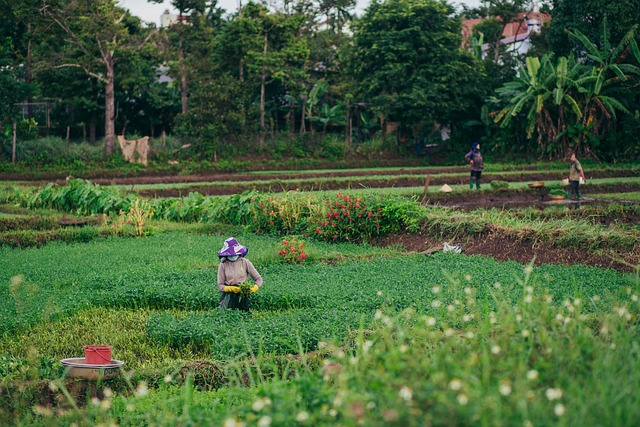
Small farm landscape with diverse crop rows demonstrating healthy rotation practices and rich dark soil
Our Story

From Frustration to Foundation 🌿

SmokeBrine started in 2016 when our founder, a second-generation vegetable farmer in upstate New York, spent an entire winter trying to find straightforward crop rotation advice that applied to a 12-acre mixed vegetable operation. Most of the available information targeted large-scale commodity grain farms or was buried in dense academic papers that assumed advanced agronomic knowledge. The resources that did address small farms often contradicted each other or skipped over the practical details needed for implementation.

That gap between research and practice became the seed for SmokeBrine. We began by creating simple rotation planning worksheets and sharing them through local farming networks. The response was immediate and enthusiastic. Farmers wanted more: cover crop selection guides, nutrient balancing help, erosion control strategies that worked on small acreages with limited budgets. Each request shaped what SmokeBrine became.

Today, SmokeBrine serves over 4,200 farmers across the United States with free planning tools, in-depth educational guides, and a growing library of region-specific rotation templates. Our content is developed in collaboration with certified crop advisors, soil scientists, and working farmers who test recommendations on their own land before we publish them.


What Drives Us

Our Mission, Vision & Values 🎯

Our Mission

To make soil conservation and crop rotation planning accessible to every small farm operator, regardless of budget or educational background. We believe that protecting soil health should not require expensive consultants or advanced degrees. Our goal is to provide clear, research-backed guidance in plain language, supported by practical tools that farmers can use immediately. Every resource we create is designed to save farmers time, reduce input costs, and build long-term soil fertility that sustains productive farming for decades.

Our Vision

We envision a future where every small farm in the United States operates with a soil health plan as fundamental as a business plan. Where farmers routinely track organic matter percentages alongside profit margins. Where the default practice is diversity and rotation rather than monoculture and depletion. We want to contribute to a farming landscape where soil is recognized as a living system that requires investment and care, and where the tools to manage it well are freely available to anyone willing to learn and apply them on their land.

Our Values

Practical over theoretical. We prioritize advice that works in muddy boots, not just in textbooks. Honest and evidence-based. We cite sources, acknowledge limitations, and never overstate expected outcomes. Accessible to all. Core tools and guides remain free because soil health benefits everyone. Farmer-centered. Every piece of content is reviewed by active farmers before publication. Long-term thinking. We measure success in soil organic matter gains over years, not website clicks over days.

What We Provide

Resources Built for Working Farmers 🧰

Every resource on SmokeBrine is designed with a single question in mind: will this actually help a farmer make a better decision this season? If the answer is not a clear yes, we rework it until it does.

Interactive Rotation Planner

Enter your farm size, climate zone, soil type, and current crops. The planner generates a custom multi-year rotation schedule with cover crop recommendations, nutrient balance estimates, and seasonal timing. Free to use, no account required.

Try the planner

Cover Crop Selection Guides

Detailed profiles of over 35 cover crop species. Each profile includes planting windows by USDA hardiness zone, seeding rates, termination methods, expected biomass production, nitrogen fixation capacity, and how each species fits into different rotation sequences.

Browse species

Erosion Control Methods

Step-by-step guides for contour farming, grass waterways, terracing, windbreak installation, and mulch systems. Each method includes cost estimates, tools needed, installation timelines, and expected erosion reduction percentages based on field research.

Explore methods

Nutrient Balancing Strategies

Understand soil test results and plan amendments that match each rotation phase. Includes compost application rates, organic fertilizer comparisons, micronutrient deficiency identification, and crop-specific NPK demand charts for common vegetable and grain crops.

Learn more

Record-Keeping Templates

Downloadable PDF and spreadsheet templates that track planting dates, yield per bed, soil test history, amendment applications, cover crop performance, and weather observations. Designed to support organic certification documentation and conservation program compliance.

Get templates

Seasonal Newsletter

Monthly tips timed to the growing season. Rotation reminders, cover crop planting windows, and field management advice delivered when you need it most.

Subscribe Free
The People Behind SmokeBrine

Our Team 👥

SmokeBrine is a small, dedicated team of farmers, agronomists, and content specialists who share a commitment to making soil science approachable. Every member of our team has either worked on a farm or currently manages one.

Portrait of Daniel Whitmore, founder of SmokeBrine and vegetable farmer

Daniel W.

Founder & Lead Planner

Second-generation vegetable farmer from the Hudson Valley. Daniel started SmokeBrine after 14 years of managing a 12-acre diversified farm. He develops rotation plans and tests new cover crop sequences on his own fields each season.

Portrait of Rachel Nguyen, certified crop advisor and soil scientist

Rachel N.

Soil Science Advisor

Certified Crop Advisor with an MS in Soil Science from Cornell University. Rachel reviews all nutrient management content and soil testing guidance. She brings 9 years of experience consulting for small and mid-size farms across the Northeast.

Portrait of Marcus Jennings, erosion control specialist and conservation planner

Marcus J.

Conservation Specialist

Former USDA Natural Resources Conservation Service technician with 11 years of field experience. Marcus writes our erosion control guides and reviews regional adaptation content. He specializes in practical, low-cost conservation practices for small acreages.

Portrait of Elena Vasquez, agricultural content writer and market garden operator

Elena V.

Content & Outreach

Agricultural journalist and market garden operator based in western North Carolina. Elena transforms technical research into readable, actionable guides. She manages the newsletter and ensures every article answers real questions that farmers ask.

How We Work

Our Content Development Process 📝

We take accuracy seriously. Farming decisions have real financial and ecological consequences, so we hold our content to high standards. Here is how every guide on SmokeBrine gets made.

1

Identify a Real Need

Every guide begins with questions we receive from farmers or gaps we notice in existing resources. We do not create content around keywords for the sake of search traffic. The starting point is always a specific problem a real farmer needs to solve.

2

Research & Draft

Our writers review peer-reviewed agricultural research, cooperative extension publications, and USDA NRCS technical guides. We cross-reference multiple sources and note where expert opinions diverge rather than presenting a single perspective as fact.

3

Expert Technical Review

Every guide is reviewed by at least one subject-matter expert, typically a certified crop advisor or soil scientist on our team. They verify the accuracy of claims, check application rates, and flag recommendations that might not work across all conditions.

4

Farmer Field Testing

Before publication, we share drafts with a panel of active farmers who provide feedback on clarity, practicality, and whether the recommendations match their field experience. Their input shapes the final version you see on the site.

5

Publish & Update

Guides are published with a clear date stamp. We review all content annually and update it when new research emerges, growing conditions shift, or farmer feedback reveals areas for improvement. Outdated information gets corrected or removed.

Agricultural advisor reviewing soil conservation plans with a farmer in a field

Our Editorial Standards

  • All nutrient recommendations reference accredited soil testing labs
  • Application rates are verified against university extension guidelines
  • We disclose limitations and conditions where advice may not apply
  • No affiliate links influence our crop or product recommendations
  • Content is reviewed and updated on an annual cycle

Our Growing Impact 📈

Since our founding in 2016, SmokeBrine has grown from a small set of worksheets into a comprehensive resource platform. These numbers reflect the farming community we are proud to serve.

4,200+

Active Farmers Using Plans

48

States Represented

85+

Guides & Templates Published

10

Years of Continuous Service

Get In Touch

We Would Love to Hear From You 📮

Whether you have a question about crop rotation planning, want to suggest a new guide topic, or need help adapting our recommendations to your specific region, we welcome your message. We respond to all inquiries within two business days. For urgent soil health concerns, we recommend contacting your local cooperative extension office for immediate, localized guidance.

Office Address

350 Fifth Avenue, Suite 4210
New York, NY 10118

Phone

+1 (212) 547-8320

Monday through Friday, 9:00 AM to 5:00 PM ET

Send Us a Message

By submitting, you agree to our Privacy Policy.

Common Questions

Frequently Asked Questions ❓

Yes. All core resources on SmokeBrine are free and will remain so. This includes the interactive rotation planner, all educational guides, cover crop profiles, and downloadable templates. We believe that access to soil health information should not depend on a farmer's budget. We sustain our operations through partnerships with agricultural organizations and selective, clearly labeled sponsorships that do not influence our content recommendations.
Our content is produced by a team that includes experienced farmers, a certified crop advisor, a former NRCS conservation technician, and an agricultural journalist. Every guide goes through a multi-step review process that includes technical fact-checking by a soil scientist and practical review by active farmers. We do not outsource content to general freelance writers without agricultural expertise.
Our rotation plans are compatible with organic certification requirements, but they are not a substitute for working with your certifying agent. Organic certification involves specific record-keeping documentation, input approvals, and field history verification that go beyond what any rotation plan alone can provide. Our record-keeping templates are designed to capture the data points that most organic certifiers require, which can streamline your certification process.
At this time, SmokeBrine does not offer individual consulting services. Our focus is on creating self-service tools and guides that farmers can use independently. For personalized soil management advice, we recommend contacting your local cooperative extension office or hiring a Certified Crop Advisor in your area. The American Society of Agronomy maintains a directory of certified professionals searchable by state and specialty.
We conduct a full content review annually, typically during the winter planning season between December and February. Guides are updated when new research findings change best practices, when farmer feedback reveals areas that need clarification, or when regional conditions shift in ways that affect our recommendations. Every guide displays a "last reviewed" date so you can assess its currency. If you notice information that appears outdated, please contact us and we will prioritize a review.
Our regional guides and planting calendars are calibrated to US climate zones and growing conditions. However, the underlying principles of crop rotation, soil conservation, and cover cropping are universal. Farmers in other countries can adapt our rotation frameworks to local conditions by adjusting for their specific climate, native soil types, and available crop varieties. The core concepts of rotating crop families, maintaining ground cover, and minimizing tillage apply regardless of geography.

Ready to Start Planning Your Rotation? 🌾

Our free interactive planner creates a custom multi-year rotation schedule based on your farm size, climate, and current crops. No account needed. Results in minutes.